

Posture is crucial for maintaining good health and balance. It affects how our body functions and can prevent common issues like back pain and joint stress. Proper posture supports the spine and helps maintain symmetry throughout the body. This balance is essential for reducing stress on muscles and joints, promoting efficient movement and overall well-being.
Misinterpretations in Mainstream Approaches
Mainstream methods often overlook the biomechanical aspects of posture. They tend to focus on superficial fixes rather than addressing underlying issues. For example, poor posture is frequently attributed to bad habits alone, ignoring deeper biomechanical imbalances. The Starecta method highlights how dental height and cranial alignment play a significant role in achieving optimal posture. This approach suggests that imbalances in these areas can lead to asymmetry and posture problems.
Understanding Biomechanics in Posture
Biomechanics is the study of movement and structure in living organisms. When applied to posture, it examines how our body’s alignment affects function. Poor posture can lead to imbalances, causing strain on muscles and joints. Addressing these biomechanical issues is key to achieving optimal posture and preventing long-term health problems. The traditional view of posture often misses these critical connections between posture and the rest of the body (organs, stomach, legs…).
Common Misconceptions in Mainstream Approaches
Mainstream approaches often blame external factors like poor habits or injuries for body asymmetry. They ignore internal physiological causes crucial for maintaining optimal posture. This leads to misguided attempts at postural correction. Many believe that upright posture is simply about standing straight, but it’s more complex. The thoracic area plays a significant role in body alignment. Misalignment here can contribute to poor posture, leading to kyphosis and lower back pain. Focusing only on external factors overlooks the essential role of cranial and mandibular alignment in achieving better posture .
Reliance on Temporary Solutions
Mainstream solutions often rely on temporary fixes like braces and supports. These may provide short-term relief but do not address underlying issues. The tendency is to treat symptoms rather than the cause of postural problems. For example, shoulder pain is often treated with exercises that don’t consider the root causes related to body alignment. This approach fails to achieve lasting postural correction and can lead to chronic pain and disability. True correction involves addressing the curvature of the spine and the alignment of the skull and jaw.
Neglect of Cranial-Mandibular Relationship
The impact of skull and jaw alignment on overall body symmetry is often neglected. This oversight can lead to significant issues in maintaining optimal posture. The craniomandibular system plays a crucial role in spinal alignment, affecting the upper back and thoracic regions. Ignoring this relationship can result in persistent pain and poor posture. Proper alignment of these areas is essential for reducing lower back pain and achieving overall health. Addressing these internal factors is key to effective postural correction and avoiding long-term health problems.
Superficial Corrections and Long-term Implications
Superficial corrections focus on external appearances without considering deeper physiological issues. This approach often fails to address the essential elements needed for proper body alignment. Temporary measures might alleviate discomfort temporarily but do not solve the root causes of postural imbalances. For effective postural correction, it’s vital to understand how the alignment of the skull and jaw influences the spine. Overlooking these connections can lead to ongoing pain and disability, impacting overall health and quality of life.

Starecta’s Perspective on Asymmetry
Asymmetry in the body often starts with imbalances in the cranial and mandibular regions. The Starecta method highlights how the skull, jaw, and spine are interconnected. This approach suggests that these areas must be aligned for ideal posture and overall symmetry. Misalignment can lead to forward head posture, neck pain, and other issues affecting health and well-being. By focusing on the structural relationship between these parts, Starecta aims to improve posture and body alignment.
Body’s Natural Realignment
Starecta advocates for natural adjustments using the Starecta Rectifier. This device helps realign the body by addressing the root cause of asymmetry. It promotes maintaining good posture and balance by targeting the craniomandibular relationship. This method is unique because it doesn’t rely on physical therapy or chiropractic interventions alone. Instead, it helps improve posture by allowing the body to adjust naturally, supporting standing posture and reducing forward head issues.
Achieving Balanced Symmetry
The Starecta method focuses on achieving a balanced craniomandibular relationship to promote overall symmetry. This approach is essential for posture correction and improving body posture. By addressing the underlying structural issues, it helps alleviate neck pain and other discomforts associated with poor alignment. Physiotherapists and chiropractors often miss these subtle connections, but Starecta emphasizes their importance in maintaining ideal posture and enhancing health and well-being.
Emphasis on Biomechanics
Starecta’s method underscores the role of posture and biomechanics in achieving better alignment. By understanding how the skull and jaw impact the spine, this approach provides a comprehensive way to improve posture. It helps individuals maintain good posture by focusing on the natural alignment of the body. This method encourages a holistic view, integrating the principles of biomechanics to support health and well-being without relying solely on external aids.
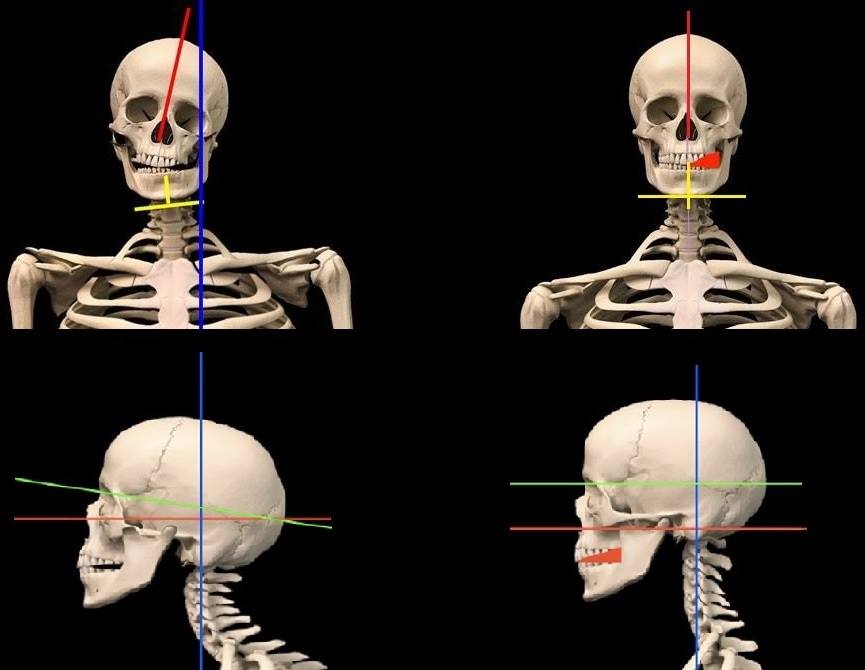
How the Starecta Method Works
The Starecta method is a groundbreaking approach that focuses on the biomechanics of posture. It uses a dental device called the Rectifier™ to address skeletal imbalances. This device is crucial because it helps align the skull, jaw, and spine. Many people suffer from poor posture due to prolonged sitting and hunching over desks. The Starecta method targets these issues by correcting the movements of the head and ensuring a balanced craniomandibular system.
The Role of the Rectifier
The Rectifier™ works like a lever, applying Archimedes’ principles to improve your posture naturally. It adjusts the jaw’s position, which in turn influences the alignment of the spine. This process helps relieve pressure on the skeletal system, leading to better posture and enhanced physical health. Unlike traditional methods that focus only on external corrections, the Starecta method addresses the root causes of postural problems, making it effective for long-term improvements.
Balancing the Body
By focusing on the craniomandibular relationship, the Starecta method helps balance the body. Misalignments in this area can lead to a variety of issues, including poor posture and physical health problems. The Rectifier™ ensures that the jaw supports the skull correctly, allowing the spine to align naturally. This adjustment is key to solving problems caused by poor posture, such as back pain and discomfort from hunching over desks.
Impact on Overall Health
The Starecta method is not just about posture correction; it’s about improving overall health and well-being. By targeting the skeletal system, it alleviates strain caused by years of poor posture habits. It’s particularly beneficial for those dealing with prolonged sitting or requiring sports physical therapy. The result is improved posture, better spine alignment, and reduced discomfort in daily life, contributing to a healthier lifestyle.
The Importance of Posture and Symmetry
Symmetrical posture is crucial for muscle growth and function. When your spine posture is aligned, it ensures an even distribution of physical stresses across the body. This balance helps in developing lower back muscles and the neck and upper body without strain. Asymmetry, on the other hand, can lead to uneven muscle development and potential injuries. For instance, poor posture might contribute to conditions like carpal tunnel syndrome due to uneven stress on the wrists. Correction exercises can help address these imbalances and support optimal biomechanical function.
Influence on Inflammation and Organ Function
Poor posture and asymmetry can increase inflammation levels in the body. This happens because chronic stress on certain body parts can lead to inflammation, which affects overall health. Proper alignment supports optimal organ function by maintaining efficient bodily systems. For example, a well-aligned spine can enhance lung capacity and improve digestion. According to the Journal of Manipulative and Physiological Therapeutics, maintaining human upright posture is essential for reducing inflammation and supporting organ health.
Overall Health and Well-being
Maintaining good posture and symmetry is vital for both mental and physical health. Proper alignment can prevent chronic pain, improve mobility, and enhance quality of life. When your body is in the correct position, it reduces the risk of developing chronic conditions like back pain and neck issues. Correction exercises are essential for sustaining this alignment and ensuring that the lower back muscles and other critical areas remain strong and flexible. This approach not only aids in physical health but also boosts mental well-being by reducing stress and fatigue.
Conclusion: Starecta addresses the root causes
Proper ergonomics is essential in daily life to support good posture, from adjusting your workspace to using supportive furniture. Alternative methods like the Starecta approach offer promising long-term health benefits by focusing on core alignment rather than just symptoms. This method addresses the root causes and provides a comprehensive solution for better posture and overall well-being. Embracing these strategies can lead to significant improvements in posture, reducing the risk of chronic pain and enhancing quality of life.