

-
Why work-related back pain is so common
Work-related back pain is one of the most frequent musculoskeletal complaints worldwide.
According to occupational health data, both sedentary jobs and physically demanding work significantly increase the risk of developing chronic spinal discomfort.
This includes:
- office work with prolonged sitting
- standing work with limited movement
- repetitive manual tasks
- lifting, bending, or static postures
Importantly, work itself is rarely the sole cause.
The same job may be tolerated well by one person and cause severe pain in another.
This discrepancy is not random.
Modern biomechanics shows that work-related back pain emerges when external load meets internal imbalance.
In other words, work stress exposes a problem that already exists within the postural system.
-
Mechanical overload vs structural predisposition
From a clinical point of view, back pain linked to work should be divided into two categories:
- Mechanical overload
- long hours in fixed positions
- repetitive movements
- insufficient recovery
- Structural predisposition
- asymmetrical load distribution
- altered spinal curves
- uneven muscular recruitment
- compromised postural balance
Mechanical overload alone does not automatically generate chronic pain.
The spine is anatomically designed to tolerate long periods of sitting, standing, and effort.
Pain typically appears when load is distributed asymmetrically.
This explains why:
- two colleagues with identical jobs may experience very different symptoms
- ergonomic improvements help some people, but not others
- pain often persists despite “correct posture”
Work acts as a stress test for the postural system.
If the system is balanced, the spine adapts.
If it is not, pain appears.
-
Are some people more vulnerable than others?
Yes. Clinical observation and postural analysis consistently show that certain individuals are predisposed to work-related back pain.
Common signs include:
- difficulty maintaining head alignment without effort
- chronic shoulder or neck tension
- shallow or asymmetric breathing
- early fatigue during static tasks
- recurring lumbar discomfort
- noticeable left–right strength differences
These signs suggest that the body is working harder than necessary to maintain stability.
In predisposed individuals, the spine is already compensating before work stress is added.
Work does not create the problem—it amplifies it.
This distinction is crucial from an EEAT and medical standpoint:
Work-related back pain is rarely “caused by work alone”, but by how the body manages load under work conditions.
-
What actually happens to the spine during prolonged work
During prolonged sitting or standing, three biomechanical phenomena occur:
- Disc compression
Intervertebral discs gradually lose hydration under sustained load, especially in the lumbar and cervical regions.
- Muscular asymmetry
When posture is imbalanced, stabilizing muscles on one side work more than the other, leading to chronic tension and fatigue.
- Protective rigidity
The nervous system increases muscle tone to protect unstable segments, reducing mobility and increasing discomfort.
If load distribution is symmetrical, these changes remain within physiological limits.
If it is asymmetrical, pain becomes progressive and recurrent.
This is why rest alone often provides temporary relief but not resolution.
-
Why “ergonomics alone” often fails
Ergonomic interventions—chairs, desks, posture supports—can reduce discomfort.
However, they frequently fail to produce lasting improvement.
The reason is simple:
- ergonomics modifies the environment
- it does not modify the internal load distribution
If the body remains structurally unbalanced, it will recreate the same compensations:
- even on a perfect chair
- even with ideal screen height
- even with posture reminders
This explains why many individuals experience:
- short-term relief
- followed by recurrence of pain
- followed by frustration and chronicity
To truly prevent work-related back pain, the internal biomechanical balance must be addressed, not only the external setup.
-
Why common treatments often bring only temporary relief
When work-related back pain becomes persistent, most people follow a predictable path.
They try:
- painkillers or muscle relaxants
- physiotherapy or massage
- chiropractic or osteopathic sessions
- postural braces or lumbar support
In many cases, these approaches reduce symptoms, sometimes significantly.
However, relief is often temporary.
From a biomechanical standpoint, this happens because most treatments:
- act on muscles or joints
- reduce inflammation or tension
- improve mobility locally
But they do not modify the global load distribution of the body.
If the postural system remains unbalanced, the same overload reappears as soon as work stress resumes.
This is not a failure of the therapy itself—it is a limitation of its scope.
-
The role of postural balance in spinal load capacity
The spine does not fail because it is weak.
It fails because it is forced to manage asymmetric loads for prolonged periods.
A balanced postural system allows:
- even disc compression
- symmetrical muscle recruitment
- efficient energy expenditure
An unbalanced system produces:
- localized overload
- premature fatigue
- protective muscle rigidity
- recurrent pain
In work settings, this difference becomes decisive.
Two people may sit at the same desk for eight hours:
- one remains asymptomatic
- the other develops chronic pain
The determining factor is how the load travels through the body, not the chair alone.
-
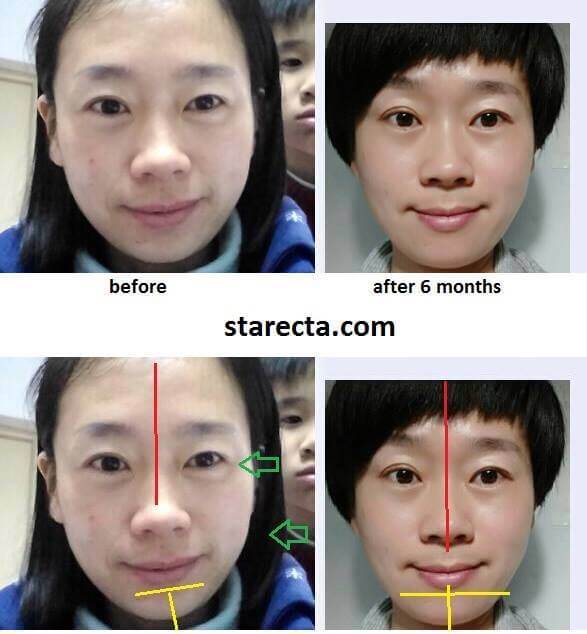
Cranio-mandibular mechanics and spinal stress
Modern postural biomechanics increasingly recognizes the role of the cranio-cervico-mandibular system in global balance.
The skull is not supported only by the cervical spine.
During function—especially under stress—it is also stabilized by:
- the mandible
- the dental arches
- occlusal contact
When cranio-mandibular support is asymmetric:
- the skull may tilt or rotate subtly
- cervical muscles compensate continuously
- spinal curves adapt to maintain balance
Over time, this compensation increases mechanical stress along the spine, particularly during prolonged work.
Importantly:
- this process is often silent at first
- pain appears only after cumulative overload
Work does not initiate the imbalance.
It reveals it.
-
A biomechanical approach to prevention
From a preventive perspective, reducing work-related back pain requires more than symptom control.
A biomechanical approach focuses on:
- restoring symmetrical load distribution
- improving global postural balance
- reducing compensatory muscle activity
Some approaches aim to influence posture by acting at the cranio-mandibular level, with the goal of supporting the skull more evenly and reducing downstream compensation.
From a scientific standpoint, this type of intervention:
- does not replace medical treatment
- does not substitute physiotherapy
- may complement conventional approaches
Neutral formulation:
A cranio-mandibular biomechanical approach seeks to improve postural balance by modifying how the skull is supported during function. This may help reduce asymmetric spinal loading during prolonged work activities.
Outcomes vary between individuals and should always be evaluated clinically.
-
Putting your back out at work: what actually happens
Acute episodes such as “putting your back out” often occur during:
- lifting
- twisting
- sudden movements after prolonged static work
Contrary to popular belief, the injury rarely comes from the movement itself.
It usually results from:
- pre-existing postural imbalance
- accumulated muscular fatigue
- reduced spinal adaptability
The sudden pain is a protective neuromuscular response, not a structural collapse.
Immediate management includes:
- unloading the spine (lying down if possible)
- slow, controlled breathing
- gradual return to upright posture
Long-term prevention requires addressing the mechanical conditions that made the episode possible.
-
When medical evaluation is necessary
Work-related back pain should always be assessed medically if it includes:
- numbness or tingling
- radiating pain to arms or legs
- loss of strength
- progressive worsening
- night pain or unexplained weight loss
- trauma or accident history
These signs may indicate conditions that require imaging or specialist care.
Biomechanical approaches are not a substitute for medical diagnosis.
-
Practical prevention principles
From an evidence-based perspective, effective prevention combines:
- reasonable ergonomic setup
- regular movement and breaks
- load management
- attention to global postural balance
No single intervention is sufficient on its own.
The goal is to reduce cumulative asymmetrical stress, not chase perfect posture.
-
Conclusion
Work does not inevitably cause back pain.
Back pain emerges when work stress interacts with an unbalanced postural system.
Understanding this distinction changes the approach:
- from chasing symptoms
- to managing mechanical load
By addressing both external demands and internal balance, it becomes possible to:
- reduce recurrence
- improve tolerance to work
- prevent chronic progression
This integrated view aligns with modern biomechanics and occupational health principles, and represents the most realistic path toward long-term spinal well-being.